In today’s fast-moving world, mastering productivity and life hacks has become essential to staying ahead of the curve. As workflows grow more complex and distractions multiply in today’s digital landscape, finding reliable techniques to streamline tasks and sharpen focus can make all the difference. This year (2026), professionals, students, and entrepreneurs alike seek proven strategies to reclaim hours, reduce stress, and unlock sustainable performance. By thoughtfully integrating productivity and life hacks into your daily routine, you can create habits that support deep work, eliminate needless clutter, and prioritize what truly matters. Whether you are aiming to boost creative output, balance personal commitments, or simply feel more accomplished at day’s end, a structured approach will help you transform intentions into tangible results. In the following sections, we will explore fundamental time management tactics, digital decluttering methods, prioritization approaches, environmental optimizations, and techniques for ongoing improvement. Along the way, we will reference authoritative sources such as the National Institutes of Health (https://www.nih.gov) and Stanford University research (https://www.stanford.edu) to ground our recommendations in evidence. By the end of this article, you will be equipped with a versatile toolkit of productivity and life hacks designed to elevate your efficiency and well-being in 2026.
Fundamental Time Management Techniques
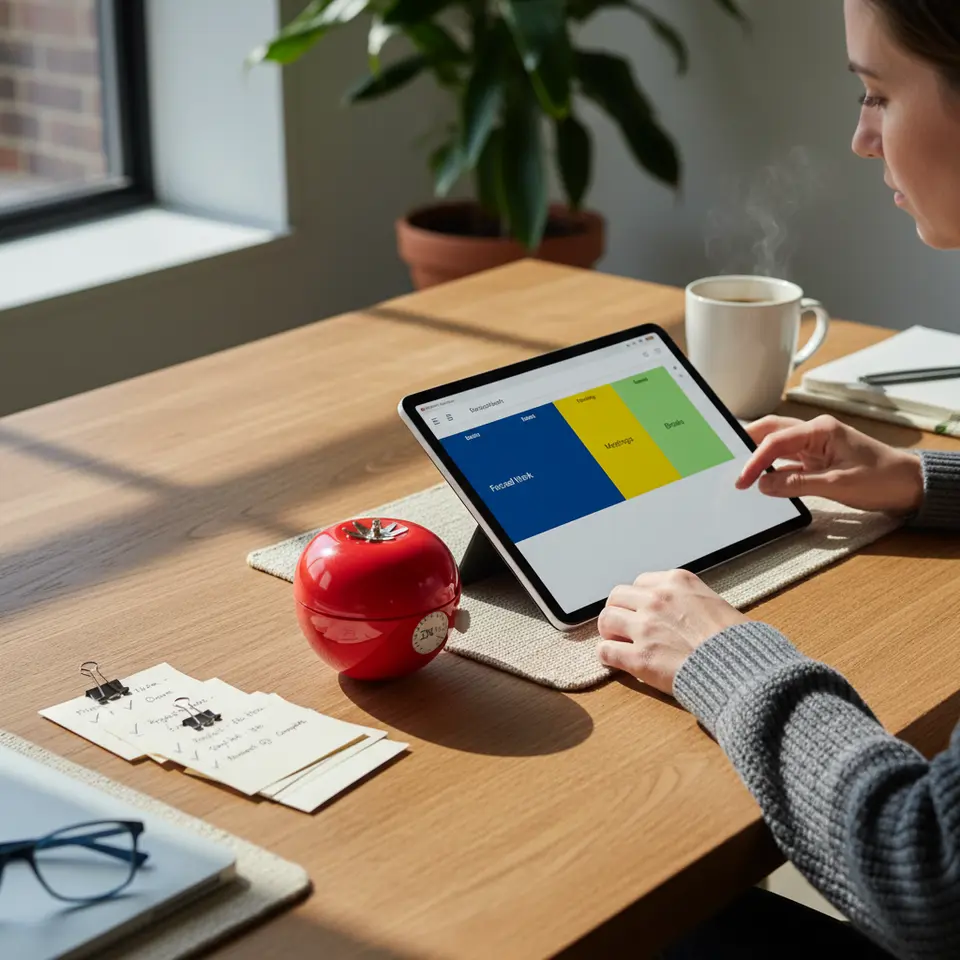
Effective time management is the cornerstone of greater productivity and life hacks success. One simple yet powerful strategy is the two-minute rule: when a task can be completed in two minutes or less, tackle it immediately rather than deferring. This small habit prevents accumulation of trivial items and keeps mental space uncluttered. For longer commitments, time blocking offers a structured solution. By assigning set windows on your calendar for specific activities—such as focused writing, meetings, and breaks—you reduce decision fatigue and protect uninterrupted intervals for deep concentration. To make this approach seamless, use either a digital calendar or a paper planner, depending on your preference.
The Pomodoro Technique pairs naturally with time blocking to sustain high energy levels across the day. Work in short sprints of 25 minutes, then reward yourself with a five-minute pause. After four cycles, indulge in a longer rest of 15 to 20 minutes. This rhythm maintains freshness, wards off burnout, and encourages you to approach each session with renewed commitment. As you refine these tactics, note your personal attention span and adjust sprint lengths accordingly. Many people discover that slightly longer or shorter intervals fit their workflow better.
Implementing these foundational productivity and life hacks requires consistency. Begin by experimenting with a single method for one week. Track progress in a simple journal or note-taking app, logging completed tasks and distractions encountered. Gradually layer additional practices as you build confidence. Within a month, these time management approaches can shift from intentional effort into automatic habits, freeing mental capacity for strategic thinking and creativity.
Digital Decluttering and Workflow Optimization
In today’s tech-driven environment, an overloaded digital workspace can derail even the most disciplined schedule. Embracing digital minimalism—a practice that involves unsubscribing from unnecessary email lists, consolidating cloud storage folders, and curbing nonessential social media use—restores clarity and ensures swift access to critical information. Begin by auditing your inbox: apply filters or labels, archive messages older than 30 days, and commit to email batch processing. Rather than reacting to each new arrival, designate two or three dedicated periods daily to handle correspondence. This prevents constant context switching and preserves deep focus during other hours.
Another productivity and life hacks strategy is mastering keyboard shortcuts for your operating system and frequent applications. Simple combinations like Ctrl+C/Ctrl+V for copying and pasting or Alt+Tab for switching windows save countless seconds. Over weeks, these small efficiencies compound into significant time savings. Pair this with streamlined file organization: create a coherent folder hierarchy within cloud drives and local directories, naming files consistently to ease retrieval.
To guard against mental drift, keep a distraction list by your workstation. Whenever a random idea or action request pops into your mind—a blog post idea, a household errand—jot it down instead of shifting focus immediately. This preserves momentum on the current project while assuring you the thought is captured for a later time. Using a simple notebook or a digital note app supports this productivity and life hacks practice without complex setup. As these tactics integrate into your routine, you will notice fewer interruptions, cleaner digital surroundings, and an overall boost in efficiency.
Prioritization and Task Selection Methods
Choosing what to work on first ensures that your most impactful tasks never get buried beneath urgent busywork. A classic life hack, known as eating the frog, encourages you to tackle the hardest or most significant task at the start of each morning. This leverages your peak energy levels and sense of accomplishment early, making the rest of the day feel more manageable. If you prefer a visual system, the Eisenhower Matrix offers a four-quadrant model, grouping items by urgency and importance. Tasks deemed both urgent and important are completed immediately, while less critical items are scheduled, delegated, or eliminated, depending on their category.
For those who juggle many responsibilities, the two-list strategy can be transformative. Create List A with your top three priorities and List B for everything else. Commit to wrapping up List A before shifting attention to secondary commitments. This method reduces overwhelm and prevents less vital tasks from encroaching on core objectives.
Finally, establish daily MITs—most important tasks—to frame each workday. At the outset, select one to three critical activities that must be accomplished before any other work can proceed. By concentrating your energy on these MITs, you safeguard meaningful progress against unplanned diversions. Combining MITs with single-tasking—devoting full attention to one item at a time—further enhances quality and speed. Research from Cornell University confirms that monotasking outperforms multitasking by reducing errors and preserving cognitive resources. With these productivity and life hacks in place, every effort you invest will yield maximum impact.
Environment and Routine Enhancements

Your physical surroundings and daily rituals play a pivotal role in sustaining high performance. Begin by crafting a consistent morning routine that suits your lifestyle. Whether it involves hydration, light exercise, mindfulness meditation, or a brief planning session, a reliable sequence of actions primes your mind for the day ahead. In today’s digital landscape, this routine also serves as a buffer against screen overload, letting you start with intention rather than reaction.
Equally important are mindful breaks. Set timers or use specialized reminder apps to stand, stretch, or take a short walk at regular intervals. These pauses refresh blood flow, ease muscle tension, and recalibrate focus. By intentionally stepping away from work, you often return with clearer insights and increased creativity.
Optimizing your workspace is another key productivity and life hacks step. Invest in an ergonomic chair, position your screen at eye level, and ensure proper lighting to reduce eye strain. Keep only essential items—computer, notepad, pen—within arm’s reach, and tuck away nonessential clutter. If you handle physical tools or supplies, apply the 5-S method from lean manufacturing: sort items, set them in order, shine (clean), standardize processes, and sustain upkeep. This approach cultivates an orderly zone that supports prolonged concentration and well-being.
Review, Delegation, and Motivation Techniques
Maintaining peak productivity and life hacks over the long term requires regular reflection and an openness to delegate. Schedule a weekly review session to evaluate completed tasks, address pending items, and recalibrate priorities for the upcoming days. This practice, endorsed by productivity experts at the University of California, Irvine, helps maintain alignment with bigger goals while spotting patterns in time usage.
Often, routine functions can be handed off or outsourced. Identify repetitive chores—data entry, graphic design tweaks, or appointment scheduling—that others can manage. By freeing your calendar from low-value tasks, you make room for strategic work that advances your mission. Platforms offering vetted freelancers and virtual assistants streamline this delegation process.
To nurture motivation, build a reward system into your workflow. Celebrate milestones—whether it’s completing a project phase or meeting a weekly MIT—by indulging in a coffee break, a brief walk outdoors, or time with friends. Positive reinforcement fosters habit formation, making productivity and life hacks feel rewarding rather than burdensome.
Lastly, adopt a mindset of continuous improvement. Use data from your time logs and weekly reviews to experiment with new techniques, iterate on existing habits, and refine approaches over time. In this way, productivity and life hacks evolve alongside your shifting goals, sustaining high efficiency throughout 2026 and beyond.
Frequently Asked Questions
Q: How long should I set my Pomodoro sprints?
A: The classic Pomodoro sprint is 25 minutes of focused work followed by a 5-minute break. However, feel free to adjust intervals to match your natural attention span—some people prefer 50/10 or even 15/3 cycles.
Q: What’s the first step in digital decluttering?
A: Start by auditing your inbox. Unsubscribe from unwanted newsletters, apply filters or labels, and archive old messages. Then move on to organizing cloud storage and streamlining your social media consumption.
Q: How frequently should I conduct a weekly review?
A: Aim for once per week at a consistent time—such as Friday afternoon or Sunday evening. This regular check-in keeps you aligned with goals and helps you spot productivity patterns.
Conclusion
Mastering productivity and life hacks is a journey of deliberate practice, self-awareness, and incremental refinement. By integrating foundational time management strategies, embracing digital decluttering, applying prioritization frameworks, optimizing your environment, and committing to ongoing review, you can achieve elevated focus and sustainable output. In today’s fast-paced world, these evidence-based methods provide the structure needed to navigate complex demands and maintain well-being. Start small, track progress, and adapt each technique until it fits your unique style. With consistency and strategic adjustments, you will make every moment count and foster a balanced, efficient life this year (2026).