
This guide explores practical productivity and life hacks, including time management, mindset development, workspace optimization, digital minimalism, and automation strategies to improve focus, efficiency, organization, and overall daily performance.
In today’s fast-paced environment, balancing professional responsibilities with personal commitments often feels like an endless juggling act. Yet with the right productivity and life hacks in your toolkit, you can reclaim lost hours, sharpen your focus, and enjoy a greater sense of control. This year, leading experts and institutions emphasize evidence-based techniques that streamline your daily workflow. According to research at Harvard University, small changes in how you plan and prioritize can yield significant performance gains, reducing stress and boosting overall well-being. Whether you’re striving to meet deadlines, pursue personal projects, or simply carve out moments for self-care, these methods adapt to diverse lifestyles.
Over the next five comprehensive sections, we’ll explore approaches to manage your time more effectively, cultivate a resilient mindset, optimize your environment, harness modern technology, and ultimately craft a bespoke system that integrates these elements seamlessly. Each strategy draws from proven frameworks—ranging from neuroscience-backed rituals to automation tools—so you can select the tactics that resonate most. By the end of this guide, you’ll know how to implement, track, and refine your favorite tips, transforming good intentions into lasting habits. Prepare to elevate your efficiency and unlock the full potential of every day in today’s digital landscape.
Mastering Your Time: Effective Scheduling Tactics
Efficient time management lays the groundwork for every productivity and life hack to succeed. When you structure your hours intentionally, distractions shrink, and your energy aligns with your priorities. Here are six proven methods to help you seize control of your calendar.
The Two-Minute Imperative
Inspired by David Allen’s principles, this rule urges you to handle any task that takes 120 seconds or less on the spot. Quickly replying to messages, filing essential documents, or clearing your desk keeps small duties from accumulating. By eliminating these micro-tasks immediately, you maintain a cleaner workflow and avoid the mental clutter that slows you down later in the day.
Time-Blocking Breakdown
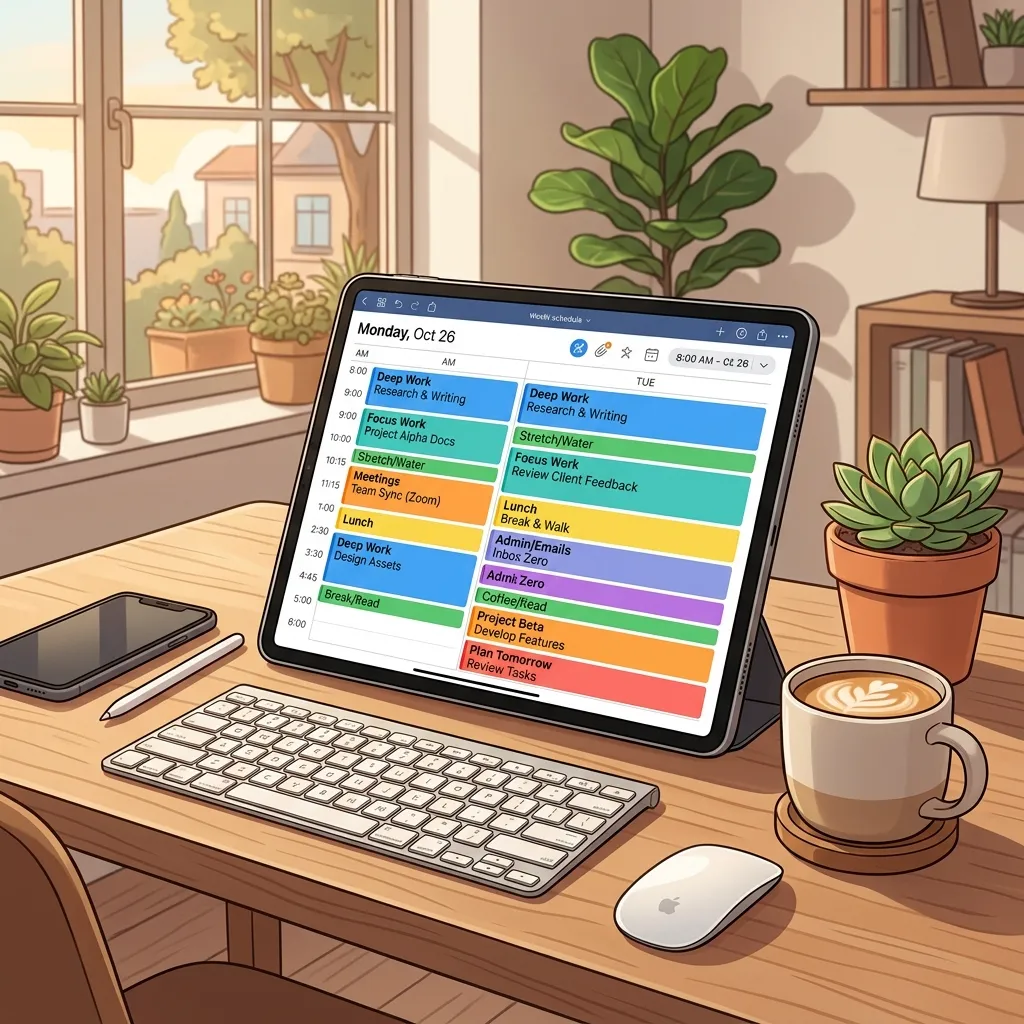
Assign distinct segments of your day to specific activities: deep-focus work, collaborative meetings, breaks, and miscellaneous errands. By labeling each block, you circumvent decision fatigue and transition smoothly between tasks. Digital calendars—like Google Calendar—automatically sync across devices, ensuring you always know what’s next without spending extra minutes planning on the fly.
Customized Focus Cycles
While the classic 25/5 Pomodoro cycle remains popular, experimenting with variations such as 52/17 (work/rest) can better match your attention span. Longer intervals suit complex analyses, whereas shorter bursts fuel rapid problem-solving. Use breaks for movement or mindfulness exercises to recharge your mind before diving back into demanding projects.
Prioritize Your ‘Big Frog’
Each morning, identify the most challenging or impactful assignment on your plate—and tackle it first. Completing this high-priority item early leverages peak cognitive energy and dramatically reduces procrastination. Once the toughest task is done, smaller chores feel more manageable, creating positive momentum for the rest of your day.
Batching Similar Activities
Group-related responsibilities—such as drafting emails, making phone calls, or data entry—into dedicated sessions. This practice minimizes context-switching costs and helps you stay in a consistent workflow state. Align batching windows with natural energy dips to maximize efficiency without overexertion.
Reverse Engineering Deadlines
Plan projects backward from their due dates. Map out each milestone in reverse order, allocating time blocks in sequence. This backward scheduling ensures realism in your timeline, guards against last-minute rushes, and helps you visualize progress using charts or simple spreadsheets.
Cultivating a Success-Oriented Mindset
Systems and tools can only take you so far if your mental approach isn’t aligned with your objectives. Building a resilient, motivated mindset is crucial for sustaining progress. The following strategies prime your brain for adaptability, confidence, and continuous growth.
Morning Clarity Rituals

Launch your day with a brief routine designed to center your thoughts. Spend five minutes in meditation, jot down three aspects you’re grateful for, then highlight your top three objectives. This sequence activates positive neurotransmitters, establishes clear priorities, and shields your mind from chaotic or intrusive thinking when work begins.
Adopt a Growth-Focused Narrative
Swap limiting beliefs—like “I’m not cut out for this”—with constructive affirmations such as “I learn through challenges.” Display these empowering statements on sticky notes, phone backgrounds, or vision boards to reinforce a solution-oriented perspective. Over time, this rewiring fosters greater resilience in the face of setbacks.
The Five-Second Launch
When you feel hesitation or doubt, initiate a silent countdown from five to one, then act immediately. This technique, popularized by Mel Robbins, disrupts delaying thoughts and propels you into action. Consistent use strengthens your ability to overcome inertia and tackle tasks with confidence.
Habit Stacking Strategies
Link a new habit to an established routine. For example, after your morning coffee, take two minutes to review daily targets. This piggybacking method takes advantage of existing neural associations, making it far easier to integrate new, beneficial practices into your schedule without overwhelming yourself.
Accountability Alliances
Partner with a friend, colleague, or mastermind group to share weekly aims and progress updates. External accountability elevates commitment, provides fresh insights, and transforms solitary challenges into collaborative triumphs. Weekly check-ins keep you honest and motivated as you pursue your goals.
Designing a Productivity-Boosting Environment
Your physical and digital surroundings exert a powerful influence on your focus and creativity. Thoughtful adjustments to both realms can dramatically cut distractions and boost efficiency. Explore these tactics to craft a workspace that supports sustained concentration.
Embrace Minimalist Organization
Clear off surplus items from your desk and desktop. A minimalist setting reduces visual noise and prevents your brain from dividing attention. Apply the 80/20 principle: keep only the tools and documents you use 80% of the time within arm’s reach, and store the rest out of sight.
Commit to Ergonomic Excellence
Invest in an adjustable chair, a monitor riser, and an ergonomically designed keyboard. Proper posture reduces fatigue, prevents repetitive-strain injuries, and sustains energy during extended work sessions. Aim for a neutral alignment: eyes level with the top third of your screen, elbows at 90 degrees, and feet flat on the floor.
Leverage Natural Elements
Position your desk near a source of daylight whenever possible. Sunlight helps regulate circadian rhythms and elevates mood. Supplement with indoor greenery—such as succulents or spider plants—to enhance air quality and foster a calming ambiance that supports focus.
Curate Your Soundscape
Mask distracting noise with white noise generators or instrumental playlists. Platforms like Brain.fm use research-backed compositions to boost concentration, while apps such as Noisli allow you to mix ambient sounds tailored to your preferences and workflow demands.
Establish Screen-Free Intervals
Create intentional breaks from digital devices—especially outside working hours. Designate an evening “no-phone hour” to read, engage in light exercise, or connect with loved ones. These detox periods help your mind decompress and improve the quality of your rest.
Create an Inspiration Corner
Reserve a small area of your workspace for motivational quotes, vision boards, and memorable photos. When you need a quick mental boost, glance at this personalized display. It provides a tangible reminder of your ambitions and the rewards you’re working toward.
Leveraging Technology to Streamline Tasks
In today’s digital landscape, the right applications can automate repetitive chores, eliminate bottlenecks, and free mental capacity for high-value work. Integrate these six tech-driven solutions to optimize your processes.
Smart Task Automation
Platforms like Trello, Asana, or Todoist support automation rules. You can auto-assign labels, set recurring deadlines, and synchronize tasks with your calendar. By delegating organizational upkeep to software, you preserve mental bandwidth for creative execution.
AI-Powered Email Management

Tools such as SaneBox or Gmail’s Smart Reply categorize incoming messages, highlight urgent requests, and suggest quick responses. Let AI filter out promotional noise so that you can prioritize critical communications and batch-process the rest at scheduled intervals.
Keyboard Shortcuts & Snippet Tools
Learn essential keystroke commands for your operating system and primary applications. Adopt text expansion utilities—like TextExpander or AutoHotkey—to insert commonly used phrases, signatures, or code snippets with minimal typing. These small efficiencies add up over time.
Focus Enhancement Apps
Applications such as Forest, Freedom, or Cold Turkey block distracting websites and social media during designated work sessions. Many of these tools gamify the experience, offering virtual rewards or environment visuals that flourish only if you maintain concentration.
Voice Commands & Smart Routines
Utilize voice assistants—Siri, Google Assistant, or Alexa—to set timers, dictate quick notes, or launch apps hands-free. Link these assistants to smart home devices—like lights or sound systems—to create immersive environments that transition you into deep-work mode automatically.
Collaborative Real-Time Editing
Cloud-based editors, including Google Docs and Microsoft Teams, allow multiple stakeholders to co-author documents simultaneously. By moving brainstorming sessions into shared files, you reduce meeting load, accelerate feedback cycles, and keep everyone aligned in real time.

Developing a Custom Productivity Blueprint
Implementing a suite of productivity and life hacks is only half the battle—tailoring them to your unique workflow ensures lasting success. Follow these five steps to design, monitor, and refine a personalized system.
Assess Your Workflow Patterns
Begin by tracking how you spend your time over a week. Note peaks and valleys in energy, common interruptions, and recurring task types. This data-driven evaluation—similar to studies supported by the National Institutes of Health—helps you identify which strategies will deliver the highest return.
Sequence Techniques for Synergy
Organize your chosen tactics in a logical order. For instance, combine a morning clarity ritual with a time-blocked schedule, then apply batching and AI-driven email triage. Sequencing methods ensure each approach reinforces the next, eliminating friction between practices.
Monitor Metrics & Milestones
Set measurable goals—such as reducing meeting time by 20% or completing high-impact tasks before lunch three times a week. Review progress at the end of each week, adjusting your plan based on real-world outcomes. This continuous feedback loop propels incremental improvement.
Integrate Well-Being Practices
To sustain high performance, allocate time for rest, movement, and social connection. Schedule brief screen-free intervals, ergonomic stretches, or quick walks outside. Balancing productivity with self-care prevents burnout and keeps motivation levels elevated over time.
Commit to Lifelong Refinement
Periodic reflection—every month or quarter—allows you to retire tactics that no longer serve you and replace them with fresh techniques. By embracing an experimental mindset, you’ll remain agile and responsive to evolving demands in today’s fast-moving world.
Conclusion
Mastering your productivity and life hacks isn’t about adopting every technique at once—it’s about selecting, customizing, and iterating the strategies that align with your goals and rhythm. This year, approach your routine as an evolving framework: start with a few high-impact methods, measure their effect, and refine accordingly. By combining time-management tactics, mindset shifts, environment optimizations, and smart technology, you’ll build a resilient system capable of scaling with your ambitions. Remember to honor rest and reflection as integral components of your blueprint, ensuring sustained momentum without sacrificing well-being. Begin today by identifying your top three strategies and experimenting with them in tandem. As you track progress and adapt, you’ll find that incremental adjustments compound into transformative results—empowering you to achieve more, stress less, and thrive in every aspect of life.
FAQs
1. What are productivity and life hacks?
Productivity and life hacks are practical techniques that help improve efficiency, manage time better, reduce stress, and create a more balanced daily routine.
2. Why are productivity hacks important in modern life?
Productivity hacks help people stay organized, improve focus, manage distractions, and complete tasks more efficiently in today’s fast-paced digital environment.
3. How does time blocking improve productivity?
Time blocking organizes your day into focused work sessions, helping reduce multitasking, improve concentration, and ensure important tasks receive dedicated attention.
4. What is the best productivity hack for beginners?
The Two-Minute Rule is one of the easiest productivity hacks for beginners because it encourages immediate action on small tasks and reduces procrastination.
5. Can productivity hacks help reduce stress?
Yes, effective productivity systems reduce overwhelm by creating structure, improving organization, and helping individuals feel more in control of their schedules.
6. How can technology improve productivity?
Technology improves productivity through automation tools, focus apps, task managers, cloud collaboration platforms, and AI-powered workflow assistance.
7. What is digital minimalism?
Digital minimalism is the practice of reducing unnecessary digital distractions, limiting notifications, and intentionally using technology to support important goals.
8. How do morning routines boost productivity?
Morning routines improve mental clarity, increase focus, and establish positive momentum that supports better decision-making throughout the day.
9. Which apps are useful for productivity management?
Popular productivity apps include Trello, Asana, Todoist, Notion, Forest, and Google Calendar for organizing tasks and maintaining focus.
10. How often should I review my productivity system?
You should review your productivity system weekly for short-term adjustments and monthly for greater improvements and long-term optimization.